About the show
A Radiolab co-host takes you on a wild ride through the strangest creatures and phenomena hiding right here on planet Earth, with original songs to mark each...
Show full description Hide full description
Terrestrials is a show for people of all ages that explores the strangeness that exists right here on Earth. In each episode, host Lulu Miller (co-host of Radiolab) will introduce you to a creature or earthly phenomenon that will defy your expectations of how nature is supposed to work. Along the way, you'll encounter a chorus of experts, including scientists, surfers, hip hop artists and…a "Songbud" named Alan (indie punk musician Alan Goffinski) who creates original songs for key moments of confusion, discovery or awe. Listen in with your whole family. Or all alone.
Fast Facts
- Audience
- Ages 8–12
- Network
- WNYC
- Format
- Listen in any order
- Typical length
- 28 min
- Episodes
- 72
- Topics
- Education For Kids, Pets & Animals
Listen now
Listen on the Once Upon a Pod app Hand-picked, kid-safe shows worth their earsor press play on any episode below to listen right here
Episodes
72 episodes
-
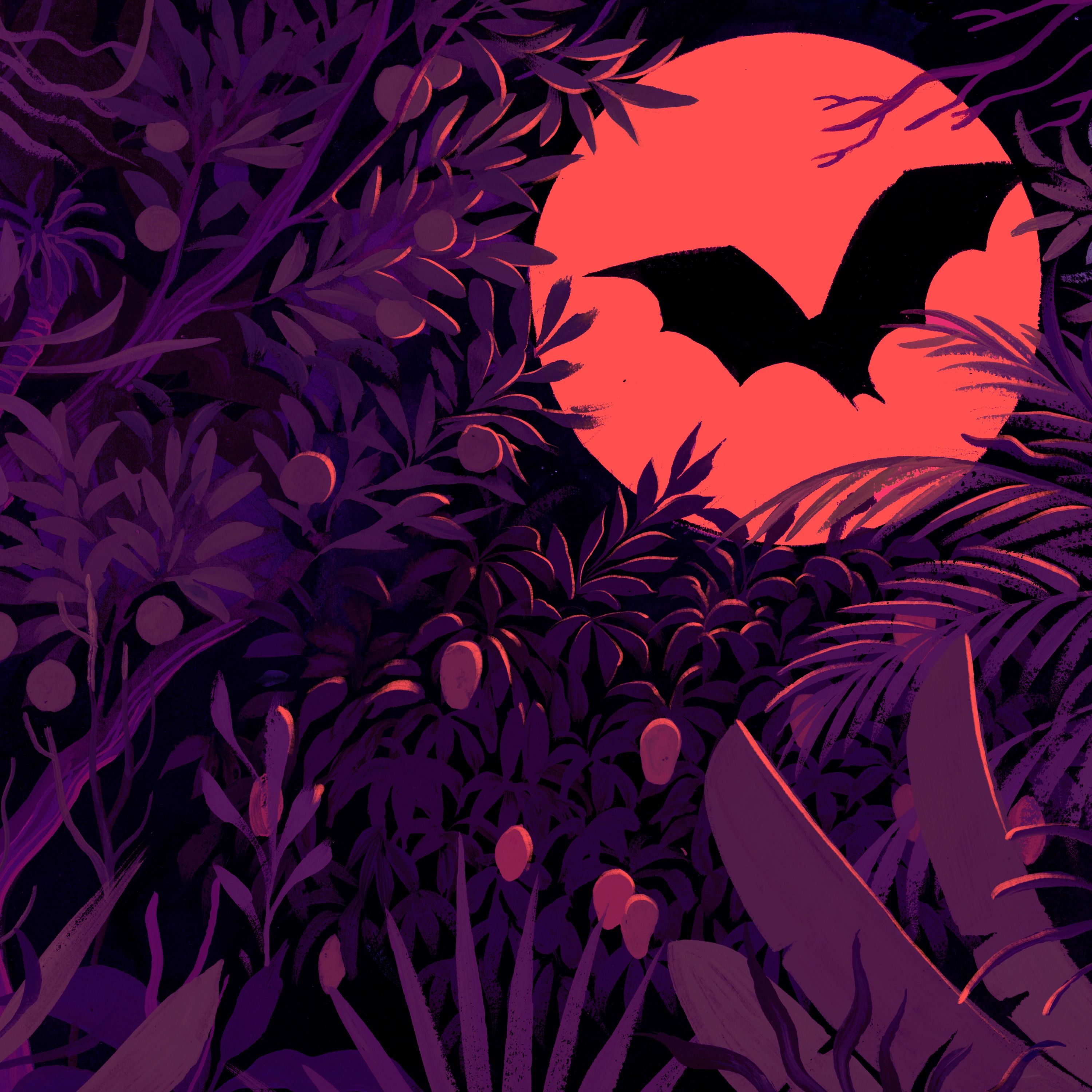
The Night Flyer: How Bats sPOOkily Revive Forests (Replay)
26 min 22 October 2026This Halloween, we’re going to the dark side Deep in the darkest tropical forests, some of the world’s most elusive bats hang upside down in their winged sleeping bags On a quest to find one of these flying mammals, Producerbud Ana ventures into a Puerto Rican forest and the back corridors of the American Museum of Natural History with Dr. Angelo Soto-Centeno Because while they may be scary and look kinda like Dracula, with their sharp fangs and beady eyes, these bats hold something crucial for humanity - the ability to repair entire ecosystems after some of the most destructive hurricanes ever. Terrestrials was created by Lulu Miller with WNYC studios This episode was produced and reported by Ana González with sound design by Mira Burt-Wintonick Our Executive Producer is Sarah Sandbach Our team also includes Alan Goffinski, Tanya Chawla and Joe Plourde Factchecking was by Emily Krieger Special thanks to the American Museum of Natural History and Dr. Angelo Soto-Centeno Also tell us what creature you want a future show about! Submit suggestions on what animals we should do our next season on here ! Our advisors for this show were Liza Demby, Ana Luz Porzecanski, Nicole Depalma and Carly Ciarrocchi Support for Terrestrials also comes from the Simons Foundation, the Arthur Vining Davis Foundations, and the John Templeton Foundation HEY GROWN-UPS!
-
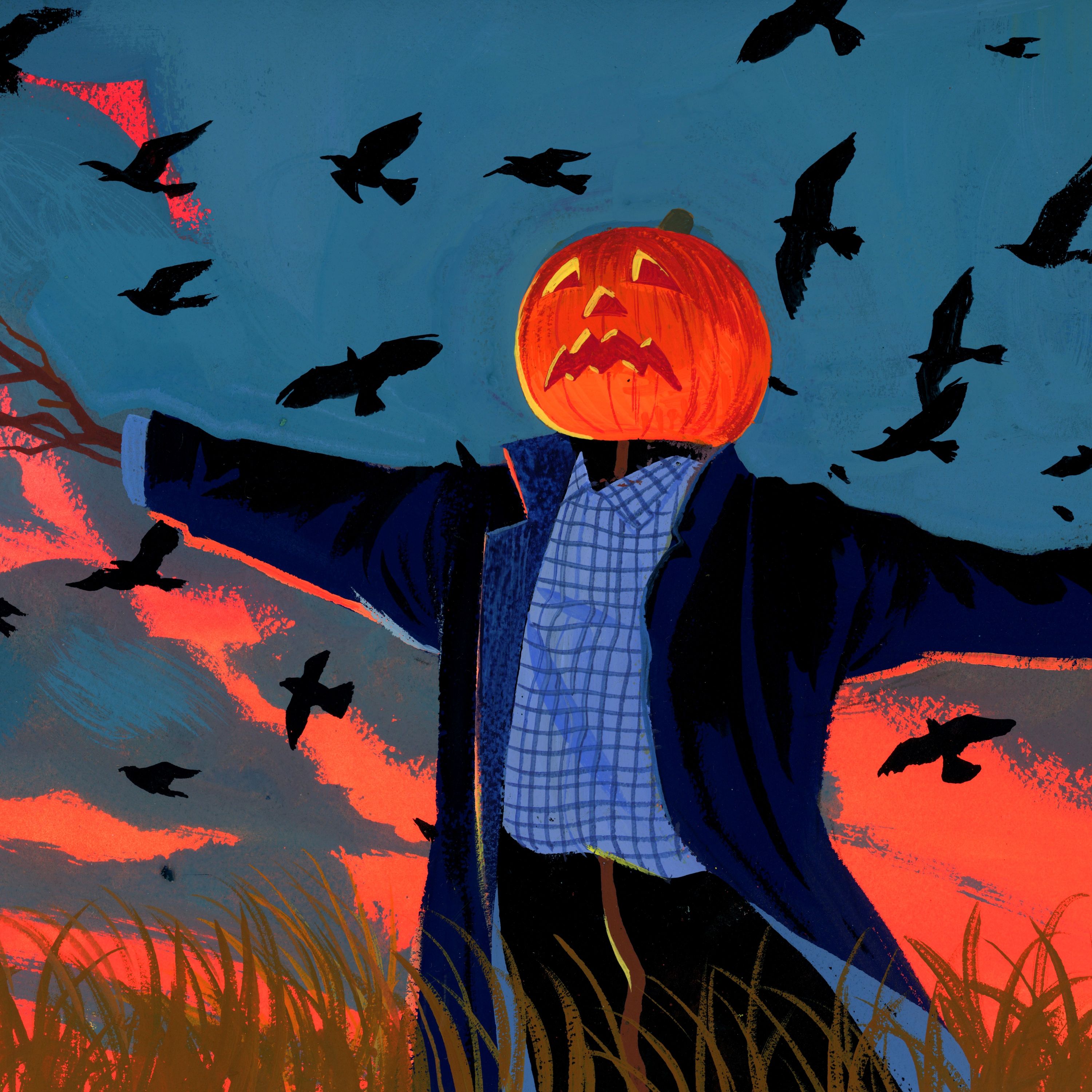
The Scarecrow: Scaring Birds with Mary Roach
23 min 15 October 2026It’s an epic humans-versus-birds showdown in this follow-up to last week’s crows episode! Ever since humans started farming, birds have been eating our crops And for centuries, we’ve been trying to figure out how to frighten them away. Science writer Mary Roach walks Lulu and Radiolab’s Latif Nasser through the long and surprising history of humans scaring away birds: scarecrows, fake owls, taxidermied hawks, robotic falcons, even animatronic bears with flashing eyes But none of it works for long The birds are too smart for our tricks Until one day in Ohio, a wildlife researcher accidentally stumbled onto something that seemed to really freak out a roost of vultures The strange solution raises a bigger question about what fear really is, and why uncertainty and confusion might be the thing we fear most Plus, we learn about the one bird that seems to know how to overcome this fear Attention Grown-ups! For more Mary Roach, join us for Radiolab Presents: Viscera, live in New York City on Thursday, November 5, with special guest Mary Roach discussing her upcoming book, Replaceable You: Adventures in Human Anatomy Get your tickets at wnyc.org/events And be sure to check out Mary Roach’s books Fuzz and Stiff , and pre-order her upcoming book: Replaceable You: Adventures in Human Anatomy
-
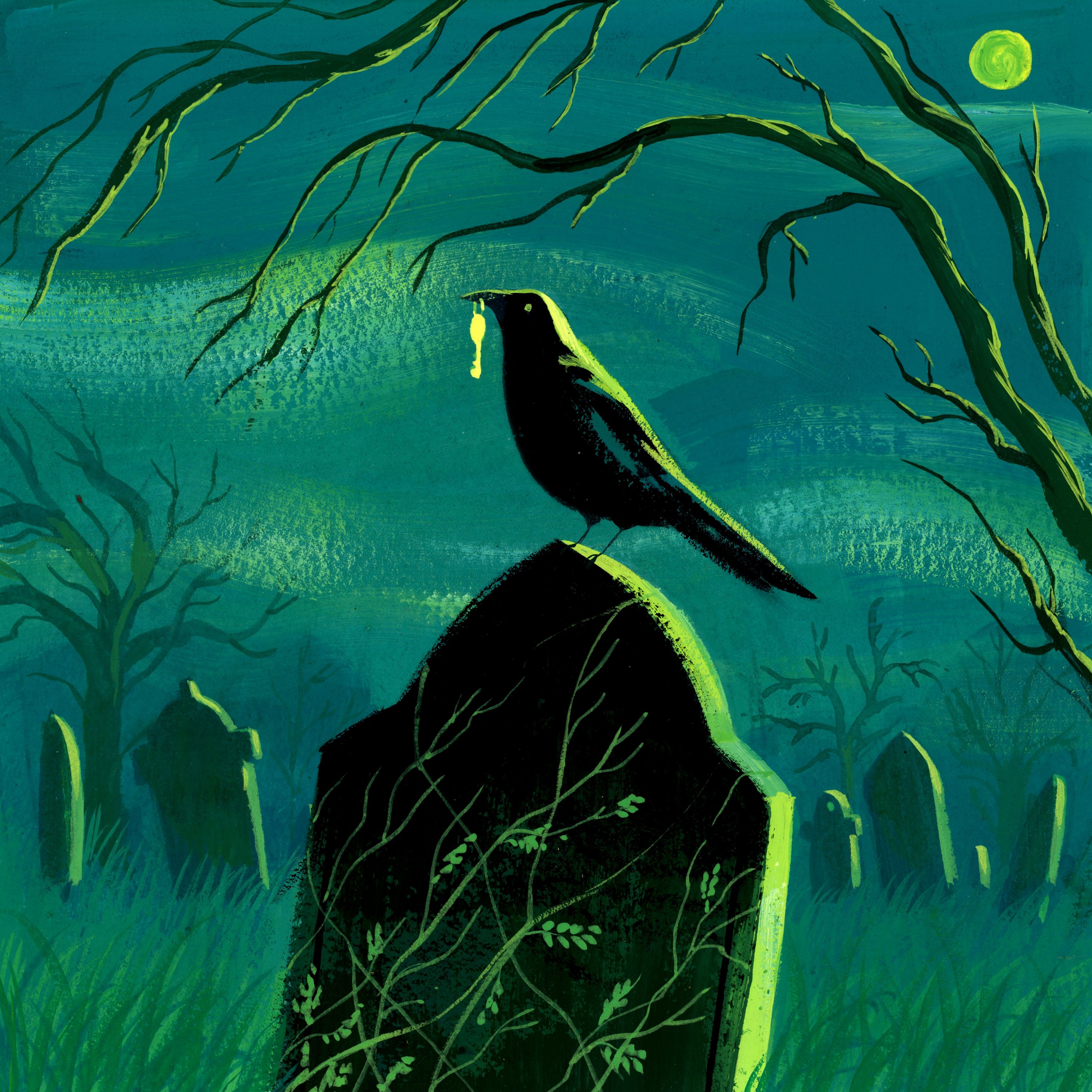
The Goths: Befriending Clever Crows
31 min 8 October 2026Spooky season is upon us and so we are bringing you a tale of Halloween’s eeriest avian mascot Emma Terry is friends with basically everyone in her town She personifies a rainbow—she has bouncy blonde hair, sparkly cat-eye glasses, and a closet full of bright colors But for the last decade, she's been trying to befriend the one creature that seems like the opposite of her vibe: the cemetery-lurking, ominous crow The more Emma observed and read about crows, the more their morbid reputation seemed… off She learned crows drop nuts into crosswalks so car tires will crack them open, that they can recognize human faces, that they can use tools... She even heard a rumor that, sometimes, crows might leave gifts for humans who are nice to them So she started leaving treats for them in a basket outside her home, nearly every day, for seven years Then one summer morning, she looked under the basket and saw something glinting Crow scientist and ornithologist Dr. John Marzluff helps us figure out whether a friendship between a person and a bird is a real thing, or just a story we wish were true Special thanks to Emma Terry and Dr. John Marzluff Check out Emma's art and ceramics at madebyemmapie.com And if you want to help scientists study crows, download Crow Scientist , a free app made by John and Colleen Marzluff Check out some crows talking here! Jimini Crowket Talking Crow [VIDEO] Joe, the talking crow [VIDEO] Joe, the talking crow pt 2 [VIDEO] Crow saying hello, I know right after a human talks to it [VIDEO] Crow saying "you alright love?" in Yorkshire accent [VIDEO] Terrestrials was created by Lulu Miller with WNYC studios This episode was produced by Tanya Chawla with sound design and editing by Mira Burt-Wintonick Sarah Sandbach is our Executive Producer Our team also includes Ana González, Alan Goffinski, Natalia Ramirez, and Joe Plourde Fact checking by Sophie Samiee
-
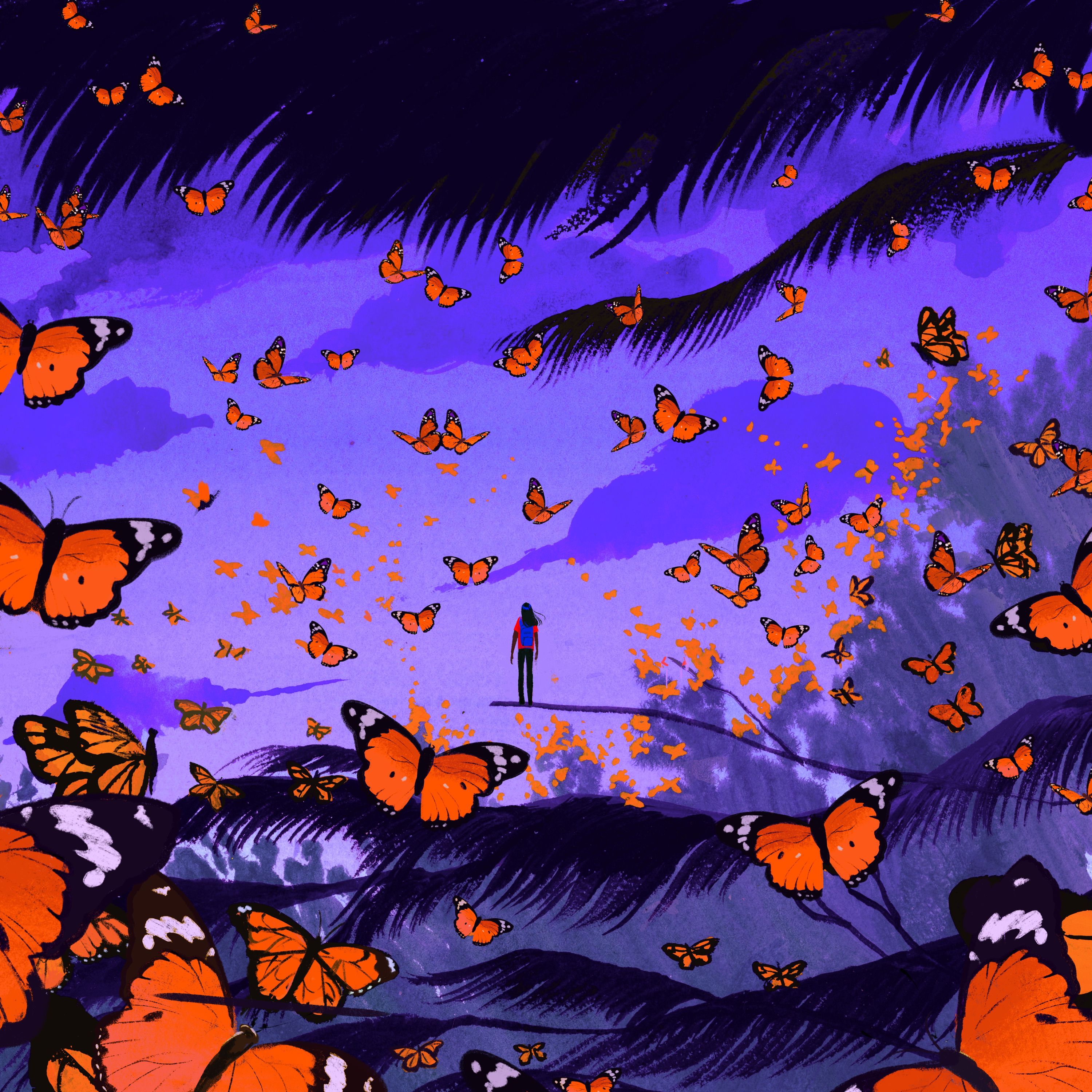
The Hideout: A Monarch Butterfly Mystery
34 min 24 September 2026As the leaves begin to change and the air cools, monarch butterflies disappear from our skies and journey …where? The mysterious migration of this iconic butterfly stumped scientists for decades Until an intercepted message on a butterfly wing led them to the isolated mountains of central Mexico to find the ancient monarch oasis where these butterflies cluster by the millions It’s here we meet Estela, who grew up around this extraordinary phenomenon and explains that the real mystery isn’t where the monarchs are going but, actually, how ?? The answer involves poisonous-tasting caterpillars, supergenerations of buff butterflies, and a web of life that connects a whole continent Plus, as many people prepare for their Day of the Dead celebrations, we learn how monarch butterflies are a symbol of connection to the ancestors living on in our memories
-
The Snow Beast: A Mystery Animal (Replay)
30 min 10 September 2026Today we bring you a story stranger than fiction In 2006, paleobiologist Natalia Rybczynski took a helicopter to a remote Arctic island near the North Pole, spending her afternoons scavenging for ancient treasures on the ground One day, she found something the size of a potato chip Turns out, it was a three and a half million year old chunk of bone SPOILER ALERT BELOW Keep reading if you’re okay with us spoiling the surprise It’s a camel! Yes, the one we thought only hung out in deserts Originally from North America, the camel trotted around the globe and went from snow monster to desert superstar We go on an evolutionary tour of the camel’s body and learn how the same adaptations that help a camel in a desert also helped it in the snow Plus, Lulu even meets one in the flesh. Special thanks to Latif Nasser for telling us this story It was originally a TED Talk where he brought out a live camel on stage Thank you also to Carly Mensch, Juliet Blake, Anna Bechtol, Stone Dow, Natalia Rybczynski and our camel man, Shayne Rigden If you are in Wisconsin, you can go meet his camels at Rigden Ranch And follow his delightful TikTok @rigdenranch to see camels in the snow! Terrestrials was created by Lulu Miller with WNYC Studios This episode was produced by Ana González, Alan Goffinski, Mira Burt-Wintonick, Joe Plourde, Lulu Miller, and Sarah Sandbach, with help from Tanya Chawla and Natalia Ramirez Fact checking by Anna Pujol-Mazzini. Our advisors this season are Ana Luz Porzecanski, Anil Lewis, Dominique Shabazz, and Liza Demby Support for Terrestrials also comes from the Simons Foundation, the Arthur Vining Davis Foundations, and the John Templeton Foundation
-
The Wallowers: A Buffalo Comeback Story
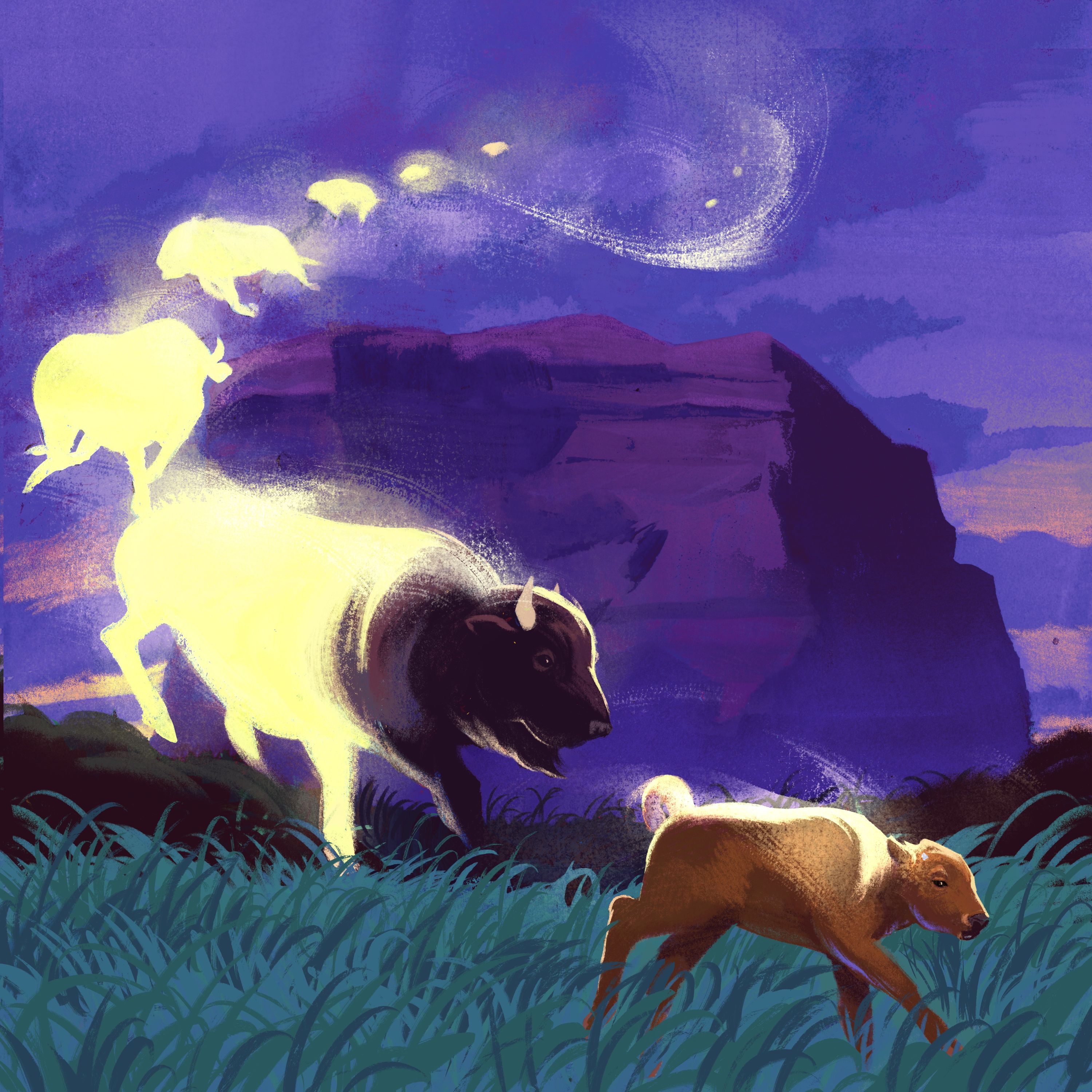
33 min 27 August 2026Ervin Carlson grew up on the Blackfeet Reservation in Montana hearing stories about buffalo (aka American bison) who once roamed the land by the hundreds of thousands These giant beasts weighed up to 2000 pounds, were almost 7 feet tall, and had two curved horns so sharp they could even buck away grizzly bears And they were ecosystem engineers! Just by grazing and rolling in the dirt, they brought new life to the land But Ervin had never seen one Not in the wild To him, buffalo were a thing of the past Because in the 1800s, as America expanded west, settlers hunted them by the trainload, for sport and fashion, until the wild herds completely disappeared from Montana And that could've been the end of the story, if not for a secret inter-generational baby buffalo rescue mission that you'll have to hear to believe To uncover the twists and turns of this tale first-hand, Producerbud Ana travels to Montana where she witnesses an epic horse race, joins a three-day celebration of all things buffalo, and crosses her fingers that she’ll get to meet one of these creatures up close Huge thanks to Ervin Carlson, Paul Weatherwax, Chazz Racine, Sloo, everyone at Buffalo Spirit Hills Ranch, the Intertribal Buffalo Council, Latonna Spotted Eagle, Cristina Mormorunni, and everyone who helped organize the 2026 Iinnii Days Thanks also to Valerie June for lending her voice to Alan's stampede song, and to the students and teachers at the Blackfeet language immersion school
-
Celestials: A Bedtime Snail Story Experiment
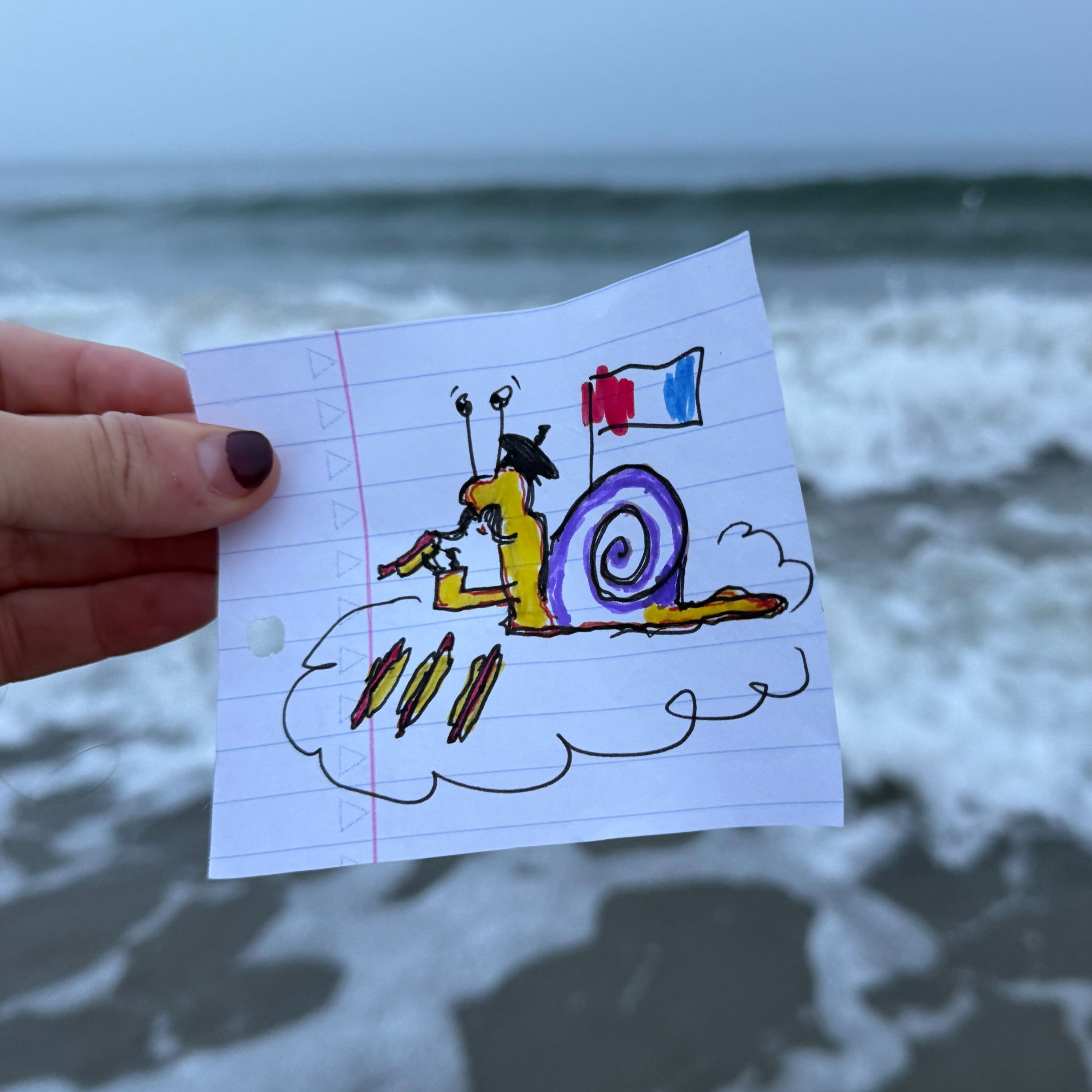
14 min 20 August 2026Meet François Tranquille He's a snail He's French And this is the first episode of a little experiment we're calling Celestials: Bedtime Stories from Terrestrials Restful tales, bedtime meditations, and the occasional lullaby, designed to help you drift off to sleep Like Terrestrials, it's about a creature here on Earth Unlike Terrestrials, it wanders away from the world of facts, towards someplace dreamier In our very first Celestials pilot, Monsieur Tranquille tries his hand — er, antennae — at helping you slooowww doooowwwn We're experimenting with a few more of these this year, and we'd love your help shaping them After you listen, take two minutes to tell us what you thought: https://forms.gle/6WKkJsVpbJZgpLLf6 We'll be back next week with your regularly scheduled Terrestrials programming In the meantime, sweet dreams!
-
The Fuzzy Ruckus: The Power of Lichen (Replay)
29 min 13 August 2026Artist Ashley (Ash) Eliza Williams was so shy growing up that they found it hard to speak to people Instead, they withdrew from the world of humans and found comfort in the forest, where they spent hours exploring, scavenging, and collecting — eventually discovering lichen They began painting portraits of lichen’s wild, colorful, and fuzzy shapes In time, Ash learned that lichen is actually a composite organism, a mixture of two species — algae and fungi — working together to live This idea originally challenged evolutionary theory so much that scientists didn’t believe it But lichen had much more to teach us Chef Prashanta Khanal fills us in on the food science of lichen, and how its collaborative powers also extend to making certain foods healthier! Learning that lichen draws its strength from collaboration eventually encouraged Ash to break out of their shell and reconnect to the world, where they would find not just friends and collaborators, but their true love Since the release of this podcast, artist Ash Eliza Williams goes by Ash and uses they/them pronouns Check out Ash Eliza Williams’s beautiful paintings Visit chef Prashanta's cooking blog, the Gundruk , for more on Nepali food history and recipes This episode features punk rock legend Laura Jane Grace, who makes a musical cameo on the song The Fuzzy Ruckus Watch the music video and find the link to stream on our songs page
-
The Jimothy: Seattle Raccoon Steals Hearts
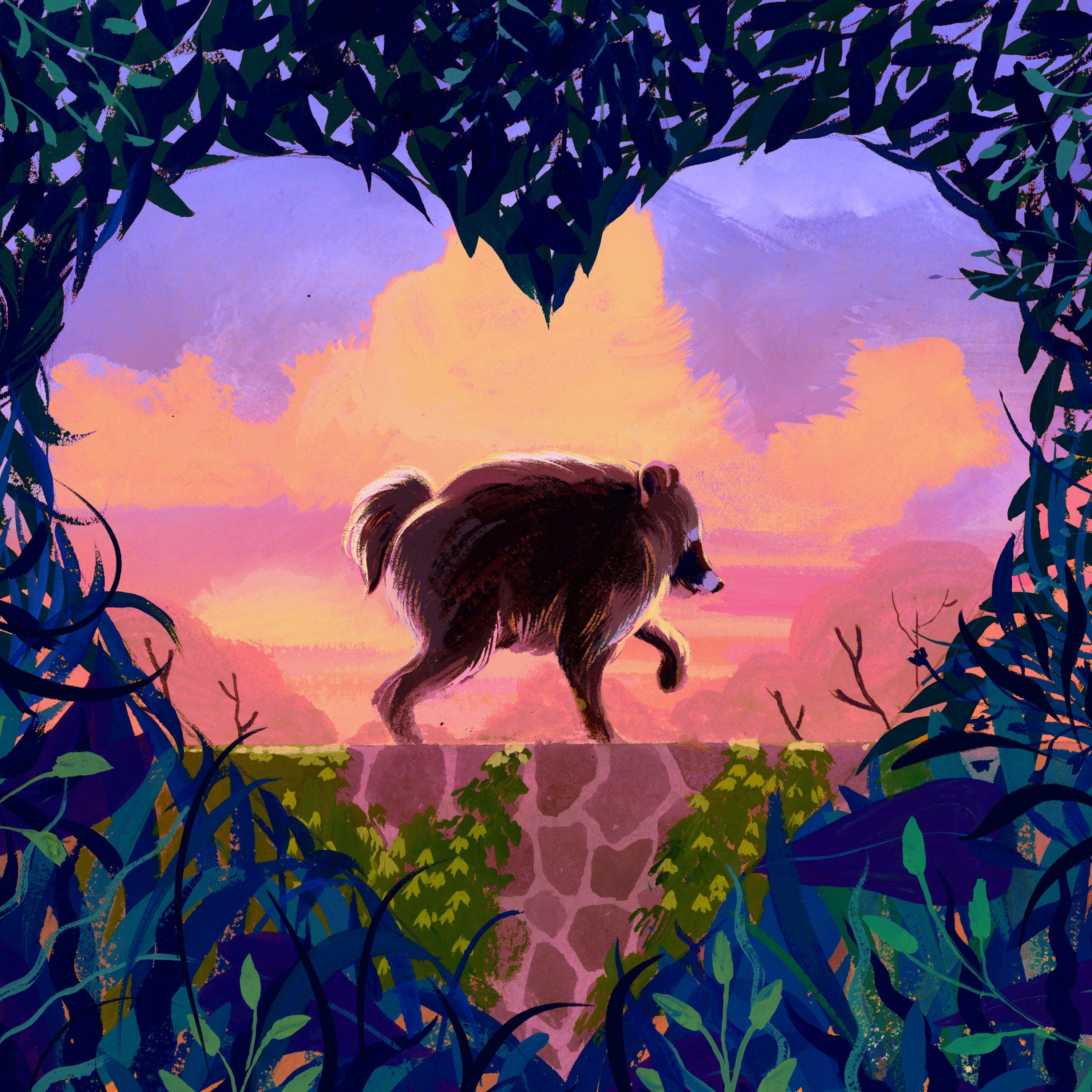
30 min 6 August 2026If you’ve been on the internet recently, you might’ve heard of Jimothy—a raccoon from Seattle who went viral Jimothy t-shirts, murals, tattoos, and tribute songs popped up across the country We wanted to understand why this raccoon had captured so many hearts, so we spoke to one of the first people who spotted him: Ben Trammell One night in Seattle, Ben was watching a raccoon family walk along his backyard fence when he saw a tiny, scruffy, hunched-over raccoon with stiff front legs and a short puffball of a tail instead of the usual long, stripey one He was instantly enamored with this clumsy little guy and began watching his escapades night after night What Ben saw taught him something about raccoons he never expected Songbud Alan talks with Ben about raccoon chaos, family care, and the joy of watching a wild animal do life his own way They flip the script on “survival of the fittest” to discover that compassion and care are natural and weird is good! Lulu also speaks with Seattle writer and disability activist Elsa Sjunneson about how Jimothy became a champion for grungy Seattle and an icon for the disability community Very special thanks to Robin Pecknold of Fleet Foxes for his performance of the song, "Jimothy." KEEP LEARNING! Huge thanks to Elsa Sjunneson for joining us Her new book, Dear Blind Lady , is out this fall and available for preorder now - it includes a whole chapter for parents on how to talk to their kids about disability Elsa also recommended two children's books for young readers who want to learn more: We Move Together by Kelly Fritsch and Anne McGuire, a picture book about the many different ways disabled people move through the world All the Way to the Top: How One Girl's Fight for Americans with Disabilities Changed Everything by Annette Bay Pimentel, the true story of Jennifer Keelan-Chaffins, who at 8 years old crawled up the steps of the U.S Capitol to protest for the Americans with Disabilities Act Want more Elsa? Listen to her Radiolab episode, The Helen Keller Exorcism , and watch this wonderful PBS mini documentary about Elsa and her fencing
-
Dung Beetles from Just the Zoo of Us
35 min 30 July 2026It’s summer break! So, while Terrestrials takes a summer breather,, we’re bringing you a show that we really love It’s called Just the Zoo of Us , and it’s produced by Ellen and Christian Weatherford, a married couple with a shared love of telling stories about this wonderful planet!In every episode, they rate a different animal on three qualities - effectiveness, ingenuity, and aesthetics In this episode, they’re tackling the DUNG BEETLE, a beetle that loves… poop It's a story that will take us to incredible places - beetles in boots, in hats, in planetariums! Check out the full episode to learn about Moray Eels here !
-
The Charmer: King Cobras' FANGtastic Powers
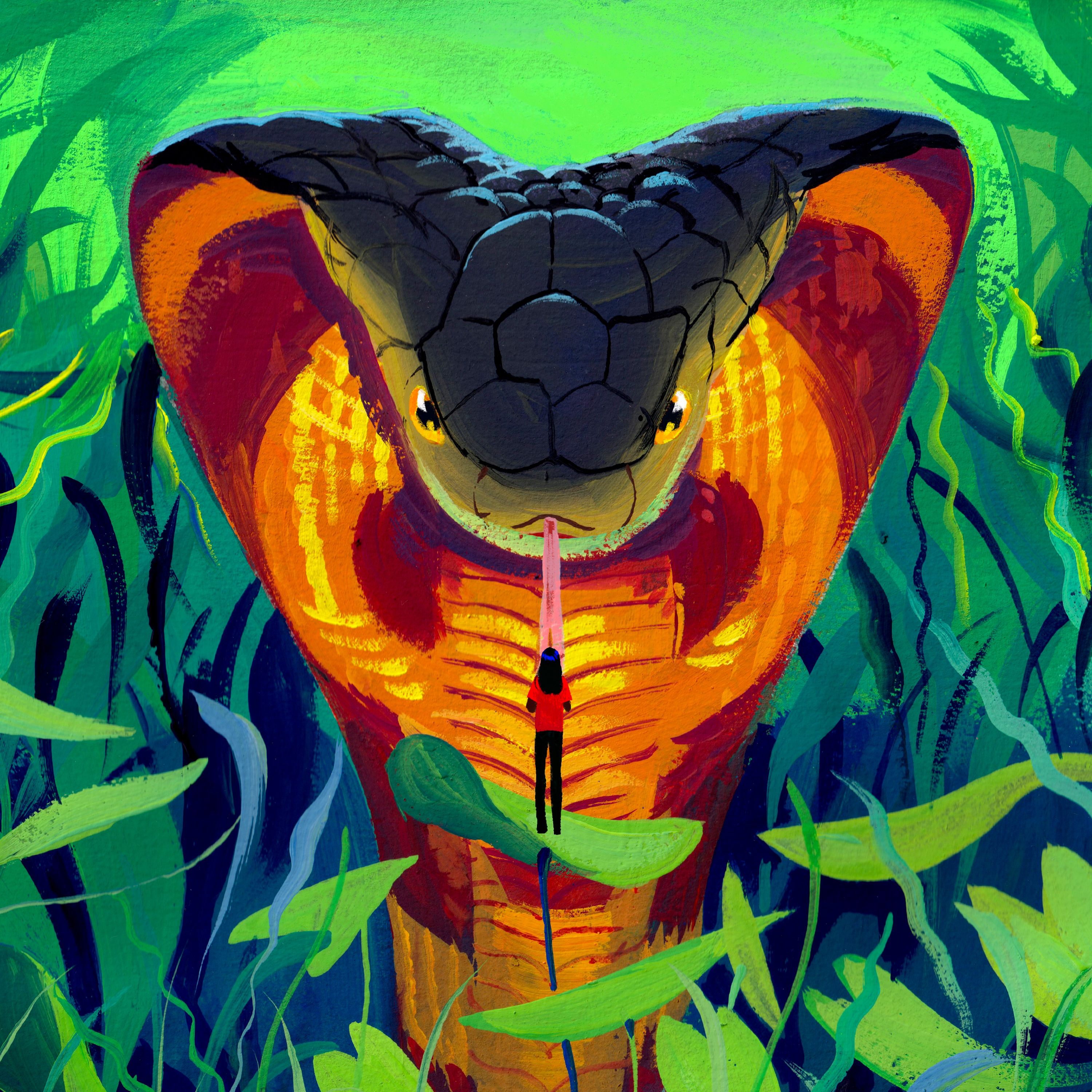
36 min 16 July 2026Lulu has been terrified of snakes all her life But strangely, her oldest son has been obsessed with them since he was two So to understand his fascination, she called a snake expert who might also be one of the least afraid people on Earth: Gowri Shankar Pogiri As a kid in Bangalore, India, Gowri was his neighborhood's resident snake-catcher — wrangling seven-foot snakes and motorcycling into the sunset with the serpent draped around his neck so he could release it back into the wild In college, he'd skip school to look at snakes for hours at the zoo And the day he met his first king cobra? He became completely entranced He started working as a professional herpetologist, and became one of the first researchers to track king cobras in the wild He’d spend his days in the rainforests of India, following the giant snakes as they climbed trees, swam across streams, and hunted prey Until one day, when a dramatic encounter with a king cobra nearly ended his life That remarkable story, plus a last-minute marriage proposal, a heroic bag, and how the only thing that Gowri is truly scared of might just be what Lulu, and all of us, are most afraid of, too
-
The Travelers Update: A Moon Tree Grows in New York
40 min 2 July 2026The director of horticulture at Madison Square Park, Stephanie Lucas , spends her days caring for over 300 trees in the heart of New York City One day in 2022, she saw a callout from NASA giving away seeds that had traveled to the moon This would be the crown jewel of the park! She and her team worked hard on their application, submitted it, and then waited for two years Eventually they gave up Until one day, Stephanie got a call from NASA telling her to check her spam inbox A week later, a cardboard box arrived at the park The tree - an American sweetgum - has been growing in the park for a year Lulu and Producerbud Ana went to see it, met Stephanie, and imagined how this little sapling might grow one day If you’d like to see it yourself with the Terrestrials team, come to our Moon Tree Launch Party happening from 4-8 PM on July 16th at Madison Square Park! It’s FREE, open to the public, and full of moon-tree magic: we’ll be showcasing our Moon Tree drawing contest submissions, inviting park-goers to make their own art, and giving folks a chance to meet Songbud Alan (who may or may not have a real half Moon Tree seed) See you there! We also hear a brand-new poem from New York State Poet Laureate Kimiko Hahn and revisit our episode about astronaut Stu “Smokey” Roosa and the origin story of Moon Trees
-
The DADventure: Wild Animal Dads from Owl Monkeys to Seahorses
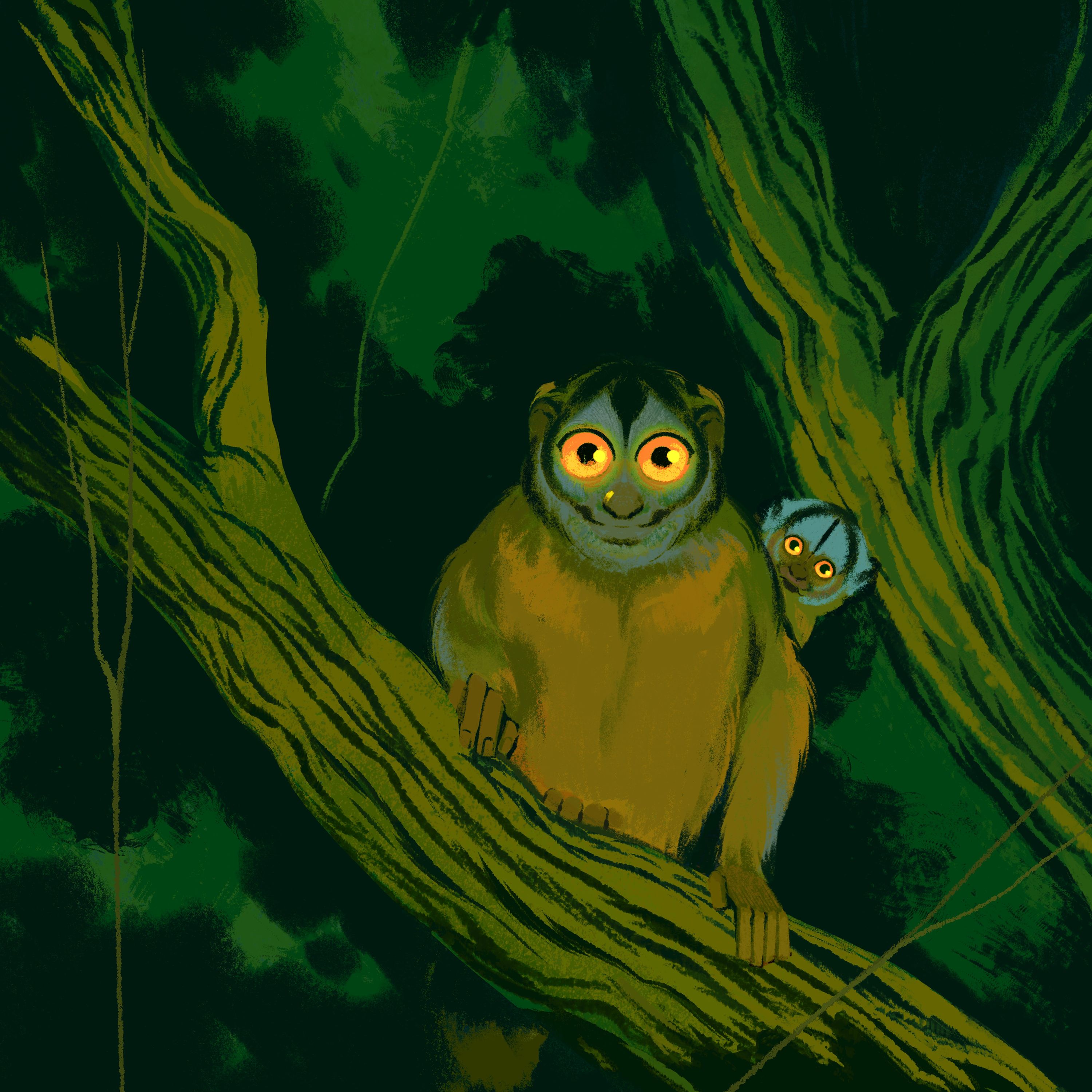
34 min 18 June 2026What does it really mean to be a dad? In the animal world, fathers have long been painted as aggressive or absent At best providers and protectors, but certainly not caregivers And yet for every tale of a lion or chimp dad eating its own young (yikes!), there’s another creature who tells a sweeter story Two HUMAN dads bring us on this DADventure: Dr. Eduardo Fernandez-Duque , who has spent decades studying owl monkey dads in the forests of Argentina, and Michael Feigelson , who once worried he wasn't cut out for the softer side of parenting They introduce us to seahorse dads who get pregnant, poison dart frog dads who give piggyback rides to their tadpoles, Darwin frogs who swallow their eggs to keep them safe, burying beetles who build "corpse cribs," jacana birds who do all the egg-sitting, and stickleback fish who construct intricate underwater nests for their young Along the way, we learn that nature doesn’t offer just one model of fatherhood Alongside Mother Nature.. there just might be a Father Nature, too Special thanks to the Van Leer Foundation for the support of this episode Resources on Animal fatherhood Eduardo Duque's Owl Monkey Project: https://www.owlmonkeyproject.com/ An interview with Eduardo in Yale News Lauren O’Connell lab – frog behaviour Short explainer: frog parenting research Stickleback fish parenting study (Alison Bell) Alison Bell lab video Human fatherhood Fathertime by Sarah Blaffer Hrdy ECM interview: evolution of “man the nurturer” Lee Gettler – biology of fatherhood (video) Lee Gettler article in Early Childhood Matters Darby Saxbe book: Dad Brain Darby Saxbe Article in Early Childhood Matters Talks, films & convenings Yale Conference on Fatherhood Live Recording of Yale Conference: Fathers and Fatherhood: From Molecules to Modern Families Fathertime documentary Campaigns & global perspectives Equimundo's State of World's fathers report Men Care Changemakers Journey Parenting Out Loud (Elliot Rae) Terrestrials was created by Lulu Miller with WNYC studios This episode was produced by Tanya Chawla, with sound design by Mira Burt-Wintonick Sarah Sandbach is our Executive Producer Our team also includes Ana González, Alan Goffinski, Natalia Ramirez, and Joe Plourde Fact checking by Angely Mercado
-
BIG CATS 2: Leopards & Jaguars (2 Fast, 2 FURious)
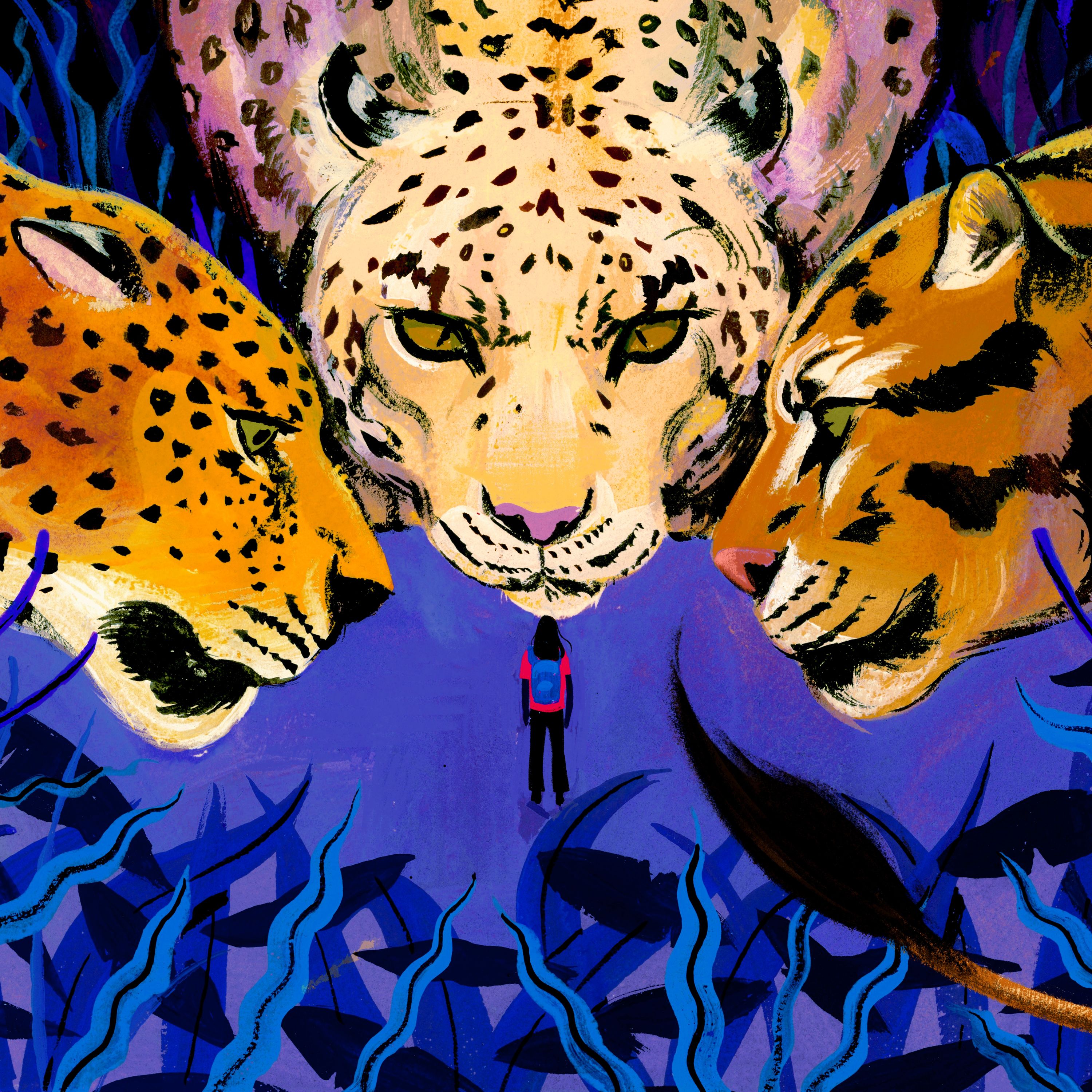
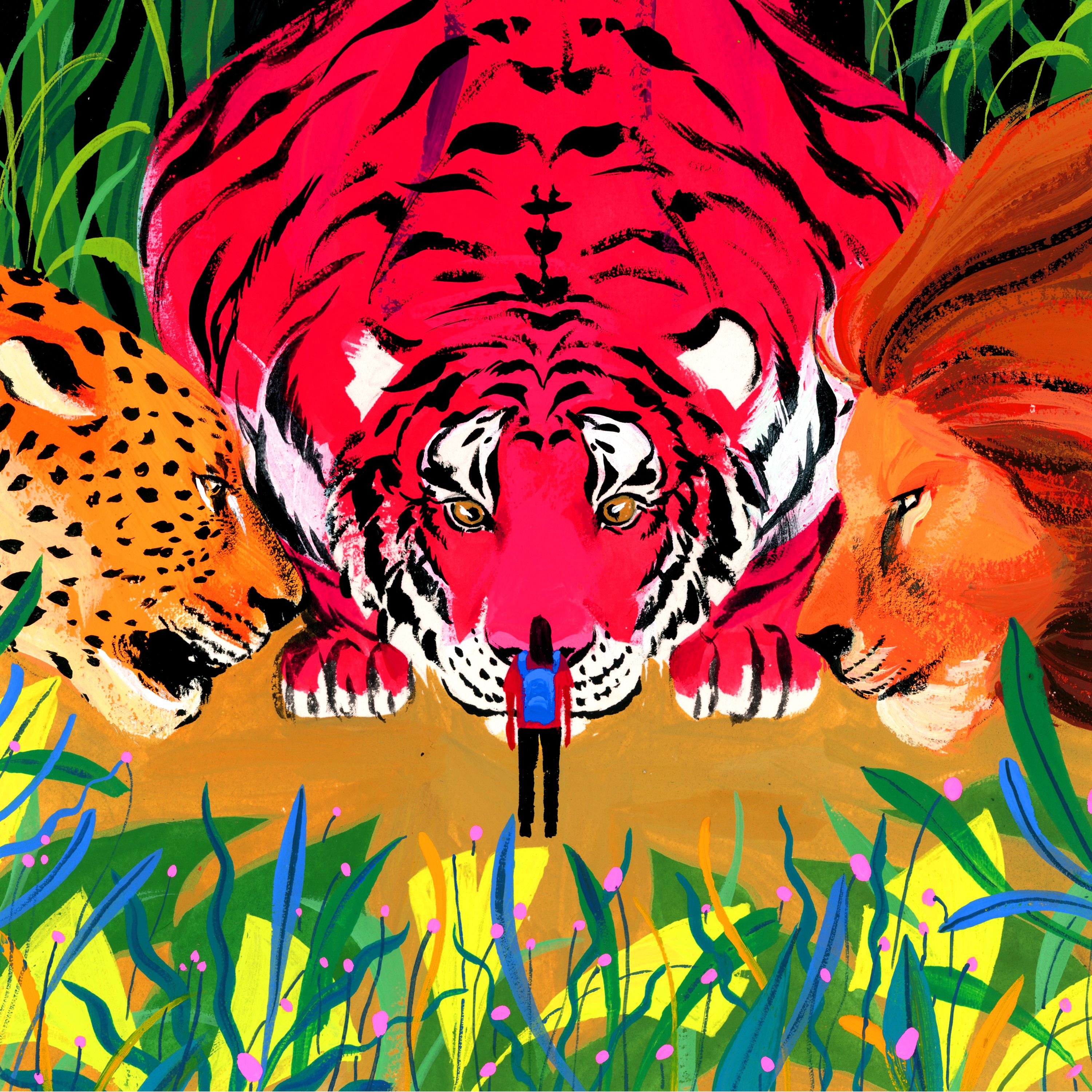
31 min 4 June 2026We're back with PURR-T TWO of our big cats journey, and this time, we’re heading even deeper into the cat-iverse We travel to India, where conservationist Shatrunjay Pratap Singh introduces us to leopards that live among shepherds and ancient temples Then we head to Colombia, where biologist Laura Lisbeth Jaimes Rodriguez helps us track one of the most mysterious cats on Earth: the jaguar We meet shapeshifting shamans, forest guardians, and cats so secretive that some scientists spend years studying them without ever seeing one Finally, we meet the ghost cat of the mountains—the snow leopard—with wildlife biologist Dr. Nyeema Harris Along the way, we stumble onto the idea that the world might actually need its scariest creatures, that fear might be one of the most powerful forces keeping our planet in balance Special thanks to Luke Hunter at the Wildlife Conservation Society, Shatrunjay Pratap Singh, Laura Lisbeth Jaimes Rodriguez, and Dr. Nyeema Harris LEARN MORE: Watch this video of Shatrunjay Pratap Singh explaining the harmonious coexistence between humans and leopards in Bera, Rajasthan Read Panthera's piece on why Indigenous culture is key to jaguar conservation , including how shamans in the Sierra Nevada de Santa Marta believe jaguars travel between physical and spiritual worlds Learn about the Jaguar Shamans of Yuruparí , recognized by UNESCO as guardians of sacred sites along Colombia's Pirá Paraná River Meet the "ghost cat of the mountains" with National Geographic Kids' snow leopard page Learn more about Dr. Nyeema Harris's work studying carnivores at the Applied Wildlife Ecology Lab at Yale
-
BIG CATS: Lions, Tigers & Roars (Oh My!)
25 min 21 May 2026Big cats are our most requested animal, but Lulu doesn’t really want to make an episode about them! She thinks lions, tigers, and their feline cousins are the bullies of the animal kingdom So Songbud Alan and Producerbud Ana set out to change her mind We head to the Bronx Zoo where big cat expert Luke Hunter introduces us to tigers that cough up furballs and wrestle crocodiles, and lion prides built around mothers, sisters, and grandmothers, who roar not just to intimidate, but to call out to their family Along the way, we play a game show called The Roar , learn why cheetahs aren’t technically “big cats”, and why orange tiger fur looks green to deer By the end, Lulu sees these fearsome animals in a different light And this is only part one of our first ever two purr-ter!
-
The Wicked Smoocha: Anglerfish Break A World Record
35 min 7 May 2026In the depths of the ocean, a tiny male anglerfish catches a scent and follows it through the darkness Eventually he finds a glowing, toothy female with a bacterial lightbulb on her head He kisses her… and never lets go Their bodies permanently fuse, merging bloodstreams, flesh, and digestive tracts Radiolab correspondent Molly Webster brings us the wild story of this eternal kiss We dive deeper into glowing lures, bioluminescent bacteria, and the biology of two creatures becoming one Plus, Alan tells us about the time he broke a world record, and marine biologist Dr. Kory Evans answers our questions about some of the weirdest fish in the sea Big thanks to Molly Webster for bringing us this story Check out all of her Radiolab stories, but if you want one to start off with, listen to Goo and You about butterflies! If you have something special you think you can hold a world record in, draw us a picture and email us at terrestrials@wnyc.org
-
The Forest Fairy: Aphids Reveal Hidden Harmonies
32 min 23 April 2026Amy Ray (whose music you might know from the Indigo Girls ) was on a walk in the Georgia woods with her dogs when she passed a tree branch and saw hundreds of tiny, white, fluffy creatures doing a synchronized stadium wave She was mesmerized Turns out, she was looking at woolly aphids - small, defenseless bugs who have somehow figured out how to survive everything the forest throws at them Resident Bug Correspondent Dr. Sammy Ramsey explains how: from the army of ants fighting their battles, to their power to clone themselves over and over, to their sap-eating ways that make plants scream chemical SOS signals through the air! What starts as a story about a fuzzy bug turns into one about a secret harmony running through the whole forest Plus, we try aphid poop honey! Special thanks to Amy Ray and Ozie, and to Dr. Sammy Ramsey, whose new documentary Secrets of the Bees from National Geographic is out now
-
The Greeting: Yo-Yo Ma's Humpback Whale Experiment
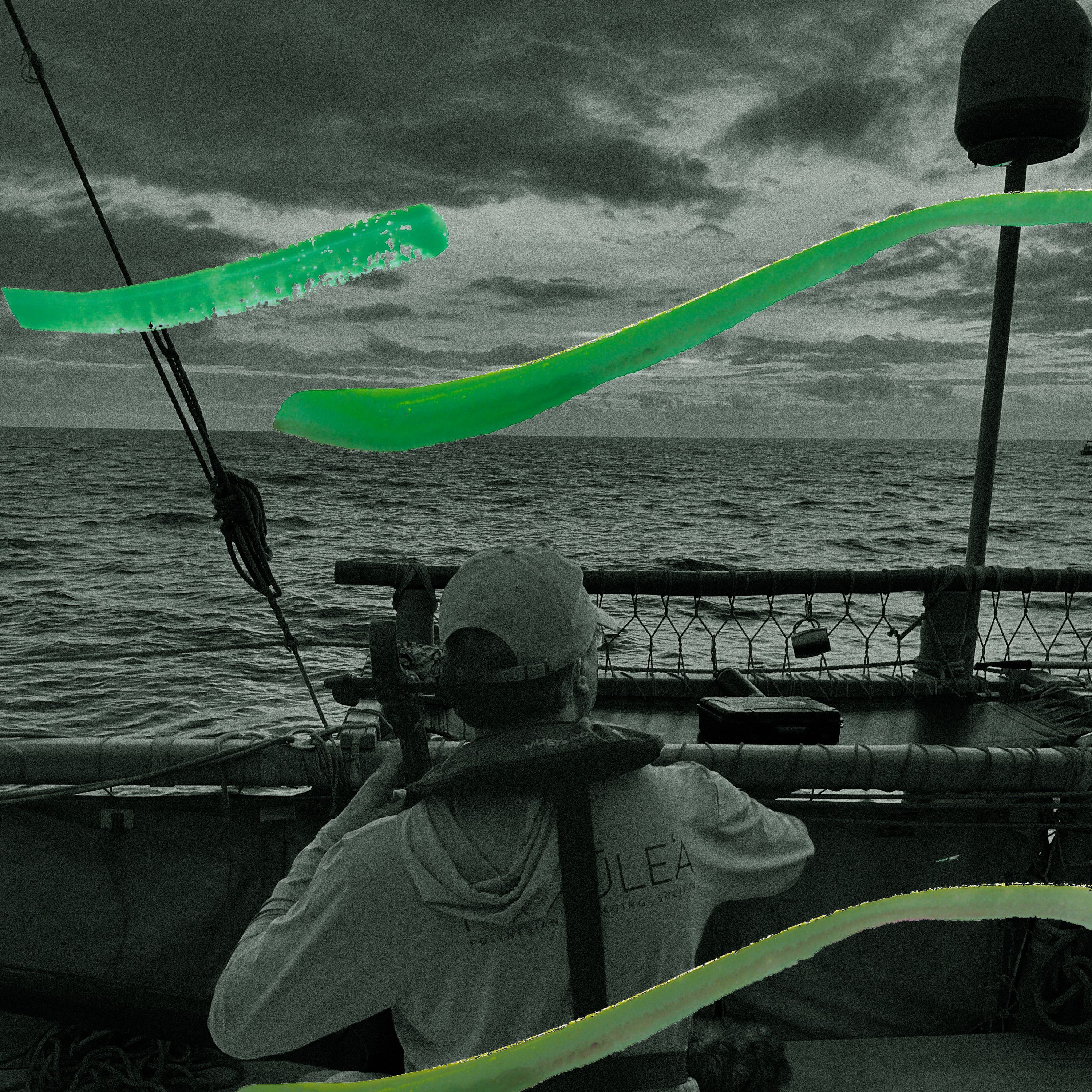
40 min 9 April 2026As one of the most famous cellists of all time, Yo-Yo Ma has spent a lot of time playing music inside But a few years ago, he decided to take the cello out of the fancy concert halls and into nature, bringing our very own Producerbud Ana along for the ride! That brings us to humpback whales Like Yo-Yo, humpbacks are musical They communicate through melodies, clicks, grunts, whispers, and bellows Human beings still don’t fully know what the whales are saying to each other, but for Yo-Yo it sounds just like cello music So, he had a wild idea: What if he tried to communicate with whales using his cello? On a very windy December day, Producerbud Ana and Yo-Yo travel to Hawai'i and meet up with hula master, Snowbird Bento, who explains how she uses music to connect with the natural world Then, they all board a legendary canoe called Hōkūleʻa with local fishermen, seafaring captains, and marine biologists, and Yo-Yo plays his cello, hoping the whales will hear the vibrations and maybe.. To find out what happens next, sit back, relax, and join Ana and Yo-Yo on an aquatic adventure This was an episode from Our Common Nature , a seven-episode podcast series of Yo-Yo Ma’s musical journey around the country to places where people have deep connections to the Earth Listen to the Our Common Nature EP Credits: Our Common Nature is a production of WNYC and Sound Postings Hosted by Ana González Produced by Alan Goffinski Editing from Pearl Marvell Sound design and episode music by Alan Goffinski Additional sound design by Mira Burt-Wintonick Mixed by Joe Plourde Fact-checking by Ena Alvarado Additional fact checking by Sophie Samiee Executive Producers are Emily Botein, Ben Mandelkern, Sophie Shackleton, and Jonathan Bays Our advisors are Mira Burt-Wintonick, Kamaka Dias, Kelley Libbey, and Chris Newell Episode photo by Austin Mann; Episode and show art by Tiffany Pai HEY GROWN-UPS!
-
The Red-Eyed Mascot: Loon Resilience in Minnesota
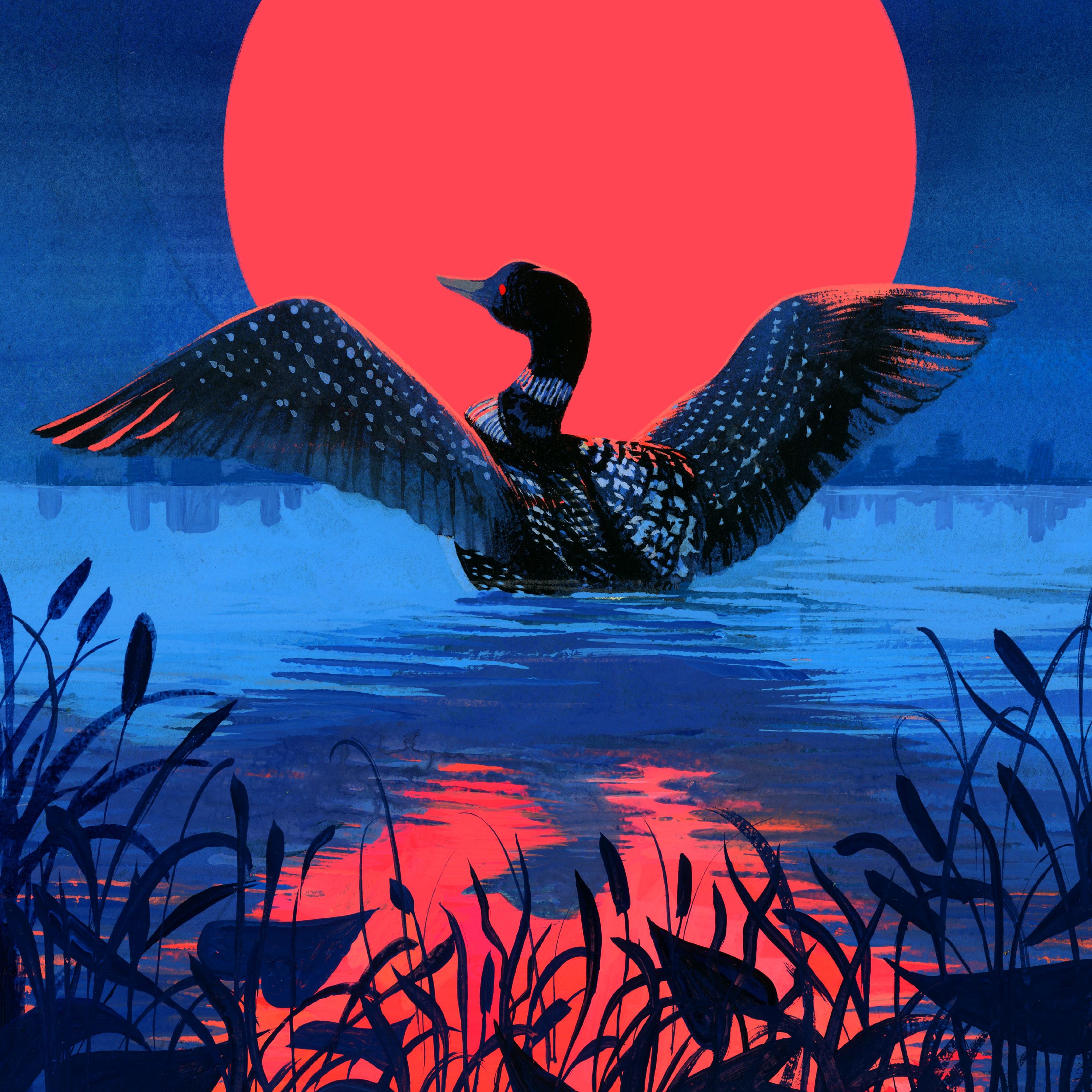
31 min 26 March 2026What do loons have to do with courage and community? In January, we received a letter from two sisters in Minnesota - Jude and Mo They wrote to us because their city was experiencing a lot of unrest, with immigration agents arresting members of their community and protests ringing loud in the streets as people tried to protect their neighbors And in the middle of it all, an unexpected symbol began appearing on storefronts, stickers, and even as tattoos: the black and white, migrating waterbird known as the loon Jude and Mo were curious: why are loons a good symbol of standing strong in the face of adversity? Loon expert Dr. Walter Piper breaks down the incredible biology of the loon and helps us decode their mysterious calls; storyteller Hope Flanagan brings us Ojibwe tales of how the loon got its famous red eyes; and biologist Dr. Leonardo Chapa Vargas teaches us about loon migration, helping us expand our definition of home We learn why these loud and eerie birds came to stand for something very powerful: the scrappy resilience of trying over and over again, no matter how many times you get knocked down Huge thanks to Jude, Mo and their mom, Natalie, for writing in about loons Reminder that you can also write in about any creature you’d like to see an episode on! Email us at terrestrials@wnyc.org Listen to “The Going Home Star” on Spotify, Apple Music, and wherever you get your music We made special activity sheets for this episode! Coloring Page Activity Sheet We hope they will help you and your friends, family, students, or neighbors dig more deeply into the world of loons If you want to share what you’ve made, ask an adult to share it on Instagram and make sure to tag @terrestrialspodcast, or email us at terrestrials@wnyc.org Dig Deeper: Check out Jude and Mo’s favorite loon sculpture in St. Paul, Minnesota! To learn more about Hope Flanagan, check out Dream of Wild Health , a farm and storytelling organization restoring wellbeing in the Native community To see Walter Piper in a cool documentary, check out Loons: A Cry from the Mist Read Shannon Heffernan’s reporting on how kids and adults are being affected by ICE Raids at The Marshall Project Check out how the students of Valley View Elementary are writing letters to ICE agents detaining their friends and families by watching this video We mentioned how loons are generalists - flexible - like our friends from our coyotes episode Check out The Howler: The Dog Who Joined a Coyote Pack if you want to learn more! The Rumble Strip Vermont podcast has a beautiful episode about Hold On, a song that people have been singing at various protests When Liam Conejo Ramos was detained by ICE agents, his classmates started folding origami bunnies in solidarity with Liam and all students who are unsafe Watch a video of the project here Immigration resource links: Immigration and Families Resources (National Council on Family Relations) Resource Hub for Undocumented and Immigrant Families ( Center for Migration Studies ) Terrestrials was created by Lulu Miller with WNYC Studios This episode was produced by Ana González, with sound design by Mira Burt-Wintonick Sarah Sandbach is our Executive Producer Our team also includes Alan Goffinski, Tanya Chawla, Joe Plourde and Natalia Ramirez Factchecking by Angely Mercado Support for Terrestrials is provided by the Simons Foundation, the Arthur Vining Davis Foundations, and the John Templeton Foundation
-
The Snoozer: Penguin Slackerzzz Rule
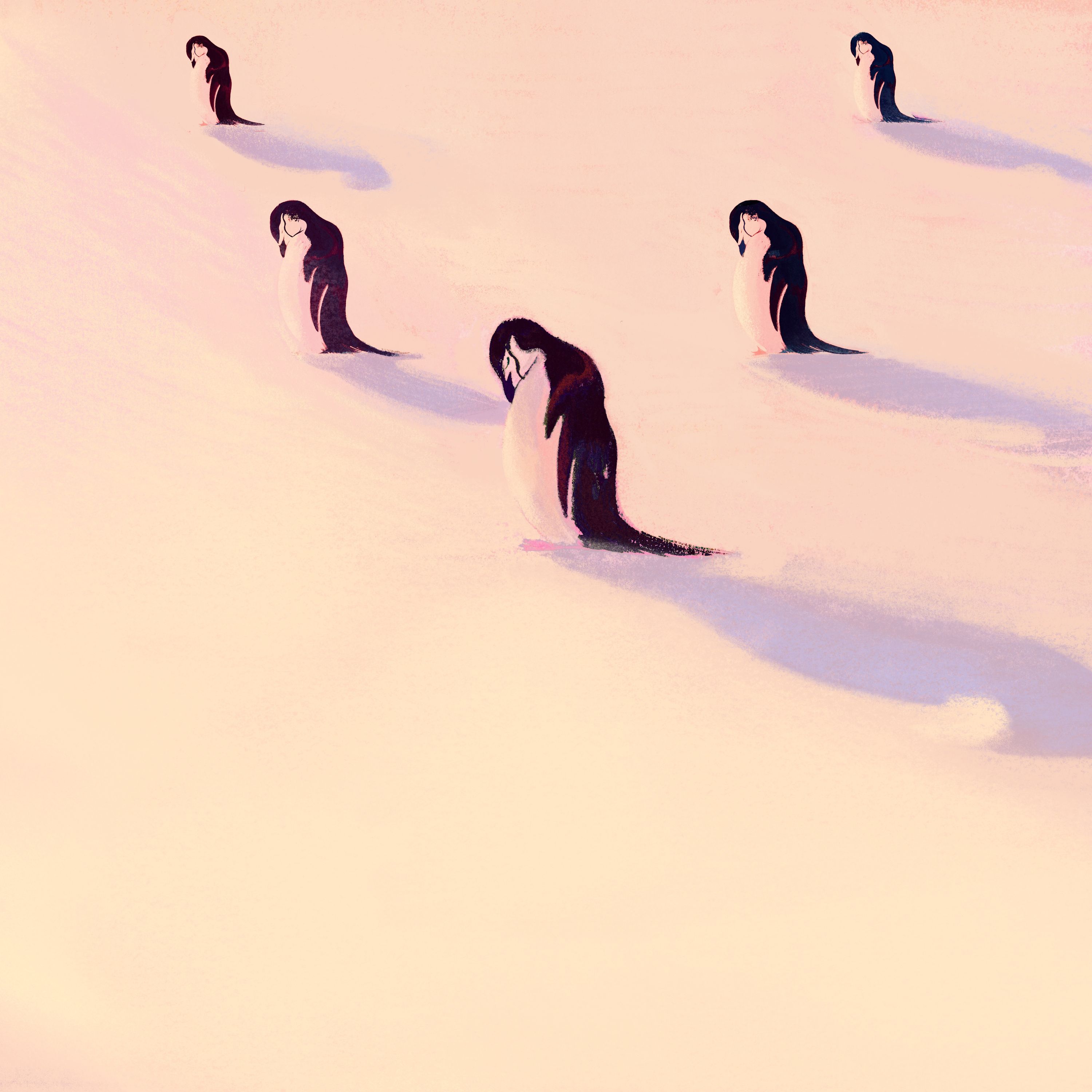
27 min 26 February 2026How rested would you feel if you took 10,000 naps a day? Chinstrap Penguins in Antarctica spend their days taking MICRONAPS, each around 4 seconds long To learn why, Lulu meets one (played by Songbud Alan), who explains how micronaps help them conserve energy and protect their babies from “sky pirates”! Then, in a badgermania, penguin scientists Dr. Eric Wagner and Dr. Dee Boersma answer your questions! Why are penguins black-and-white? Why is their poop pink? What might they dream about? And we learn that what may look like laziness… turns out to be an evolutionary superpower Don’t sleep on these articles, maybe read them before your next nap: Read about chinstrap penguin naps here , and here , and here Learn why penguin poop is pink and how it may be helping cool the climate ! Read about how neurons help flush waste out of the brain during sleep
-
The Portal: Groundhogs Lead Us Into an Underrealm of HOLES
31 min 29 January 2026Holes are full of a whole lot of nothin' Pure, hollow emptiness At least that’s what Songbud Alan thought before he fell down a rabbit hole of, well, HOLES! In honor of Groundhog Day, he takes Lulu to a fossil-filled pit behind a Chick-fil-A to dig up 66-million-year-old treasure, and deep down to an underwater hole where blobs of colorful microbes reveal a time when Earth’s days were only 6 hours long We discover eyeless cave fish, fall into a sinkhole of Corvettes, and go house hunting for the perfect animal hole to cozy up in.. which leads us to one of the coziest holes of all: a groundhog’s burrow Want to DIG deeper? Learn more about Staten Island Chuck , the groundhog with the highest spring prediction accuracy Explore Edelman Fossil Park and dig for real fossils Discover Mammoth Cave Check out eyeless cave fish Read about the Corvette Museum Sinkhole and how sinkholes form Terrestrials was created by Lulu Miller with WNYC This episode was produced by Alan Goffinski, with sound design by Mira Burt-Wintonick Sarah Sandbach is our Executive Producer Our team also includes Ana González, Tanya Chawla and Joe Plourde Factchecking by Sophie Samiee Support for Terrestrials is provided by the Simons Foundation, the Arthur Vining Davis Foundations, and the John Templeton Foundation
-
The Spellbook: Ancient Recipes for Animals
25 min 15 January 2026Where do animals come from? That's something people have been trying to explain for thousands of years And for a while, scientists and philosophers believed that any ol' person could create creatures if they just had the right recipe A touch of sand, maybe a drop of blood and POOF: you could create life That idea was believed to be true for generations until one brave scientist decided to look more closely at an unlikely bug and change the course of science forever Lulu calls up our biology correspondent, Dr. Avir Mitra , to solve this ancient mystery Terrestrials was created by Lulu Miller with WNYC This episode was produced by Ana González and Alan Goffinski, with sound design by Mira Burt-Wintonick Sarah Sandbach is our Executive Producer Our team also includes Tanya Chawla and Joe Plourde Factchecking by Diane Kelly Support for Terrestrials is provided by the Simons Foundation, the Arthur Vining Davis Foundations, and the John Templeton Foundation
-
The Bridge: How Rainbows Connect Worlds
29 min 11 December 2025What is a rainbow? An optical illusion? Or a thing out there in the world? For centuries, cultures around the world believed that rainbows were bridges - pathways to gods and to the afterlife Then in 1665, during a plague, a young Isaac Newton made a discovery that changed everything : sunlight is made of many colors He counted 7 But artists, poets and curious children weren’t convinced How could a rainbow only have seven colors? Their skepticism led to a far stranger discovery that would revolutionize how we understand the universe - In the end, we learn that rainbows are kind of a bridge - between our outer and inner worlds Science writer Philip Ball helps us follow the rainbow’s story, plus Songbud and the Youth Pride Chorus of New York City turn it all into a magical musical To learn more about the history of color, read Dr. Ball’s book Bright Earth Special thanks to Philip Ball , the Youth Pride Chorus of NYC , Nicholas Sienkiewicz and Rashad Chambers In more exciting news, we just created the first ever Terrestrials Jigsaw Puzzle ! It’s a scene of all the creatures we’ve featured on Terrestrials so far, made by artist Arthur Jones It can be yours for the simple price of supporting Terrestrials by joining our brand new Explorers Club! You get all types of perks like extra Alan songs, ad-free listening and this puzzle for the month of December! Visit TerrestrialsPodcast.org/donate Thank you for all your support Terrestrials was created by Lulu Miller with WNYC This episode was produced by Tanya Chawla and Ana González, with technicolor sound design by Mira Burt-Wintonick Sarah Sandbach is our Executive Producer Our team also includes Alan Goffinski and Joe Plourde Factchecking by Diane Kelly Support for Terrestrials is provided by the Simons Foundation, the Arthur Vining Davis Foundations, and the John Templeton Foundation A reminder that Terrestrials also makes original music! You can find ‘Rainbows! The Bridge EP’ and all other music from the show here
-
A Podcast Turducken: With Wow in the World, Terrestrials and Circle Round
37 min 17 November 2025Lulu is hosting a holiday meal She’s invited the characters from her extended kids podcast family - Wow in the World and Circle Round - for an epic kids podcast crossover special It’s a potluck of stories and on the table is a turducken Yes, a turkey stuffed with a duck stuffed with a chicken Each show brings a wild story about one of these creatures We learn about a chicken’s unexpected journey back home, a duck mystery in the middle of the Arctic Ocean and an indigenous folktale about how the turkey got its gobble, culminating in a giant singalong Keep learning! Check out Inge the chicken’s route back home Read about the mysterious ocean quack sound Learn about the turkey’s role in Cherokee culture This episode was a huge collaboration between our team and the teams at Tinkercast’s Wow in the World and WBUR’s Circle Round, including Mindy Thomas, Guy Raz, Rebecca Sheir, Eric Shimelonis, Tom van Kalken, Steph Sosa and Anna Zagorski Terrestrials was created by Lulu Miller with WNYC This episode was reported and produced by Lulu Miller, Alan Goffinski, Ana González and Tanya Chawla Beautiful sound design by Mira Burt-Wintonick and Joe Plourde Engineering by Joe Plourde Our Executive Producer is Sarah Sandbach Factchecking by Anna Pujol-Mazzini Support for Terrestrials is provided by the Simons Foundation, the Arthur Vining Davis Foundations, and the John Templeton Foundation A reminder that Terrestrials also makes original music! You can find the single from this episode Turducken Dreams and all of our other music here
-
Maggies: The Healing Power of Baby Flies
28 min 16 October 2025Maggots are disgusting, right? Lulu has a hard time even saying the word maggot But in this episode, we’re asking you to join us in setting our “ick” aside If you stick with us, we promise that you’ll go from thinking these bugs are the grossest things ever to actually kinda liking them Maybe even loving them ER doctor Avir Mitra leads us down a rabbit hole of scientific discovery, explaining how these revolting critters have a history - and future - of saving human limbs and lives Plus, a musical lesson in wound treatment 101 Tell us what creature you want a future show about! Submit suggestions on what animals we should do our next season on here !
-
The Travelers: How Moon Trees Hide Among Us
32 min 2 October 2025In 1971, a red-headed, tree-loving astronaut named Stu ‘Smokey’ Roosa was asked to take something to the moon with him Of all things, he chose to take a canister of 500 tree seeds After orbiting the moon 34 times, the seeds made it back to Earth NASA decided to plant the seeds all across the country and then… everyone forgot about them Until one day, a third grader from Indiana stumbled on a tree with a strange plaque: "Moon Tree." This discovery set off a cascading search for all the trees that visited the moon across the United States Science writer, and our very own factchecker, Natalie Middleton tells us the tale We’re holding a Moon Tree contest! Send us a drawing of what you imagine a Moon Tree to look like Submit here If you happen to find a Moon Tree and visit it, email us pictures of you at terrestrials@wnyc.org! We’d love to feature you on our social media @terrestrialspodcast Check out Natalie’s map to find your nearest Apollo 14 moon tree on our show page ! Help us hunt for more moon trees If you know of an undocumented moon tree, contact Natalie at nataliemiddleton.org Check out Natalie’s essay on Moon Trees and Space Zinnias in Orion Magazine Visit NASA’s official Moon Tree Page for a list of all the Apollo 14 Moon Trees in the world To learn more about Stu Roosa or to learn more about acquiring your own half Moon Tree, check out the Moon Tree Foundation , spearheaded by Stu’s daughter, Rosemary Roosa
-
The Builders: How Beavers Mend Our Planet
29 min 18 September 2025Few mammals have a bigger positive impact on the planet than the beaver. With its bright orange buck teeth, the creature is an expert engineer that brings life wherever it waddles and even fights fires. Our story begins in the Bronx river, once known as the “open sewer” of New York City. After some humans decide to clean it up, we meet one of the river’s residents - José the beaver. We learn about the US government parachuting beavers out of planes into the mountains. And finally head to California where we discover how one beaver family saved acres of land from burning. Special thanks to author Ben Goldfarb , Christian Murphy from the Bronx River Alliance and Dr. Emily Fairfax .
-
PIZZA BFF
27 min 4 September 2025Pizza is one of the world’s most beloved foods. But as much as we love the way it tastes, the secrets of its ingredients are even yummier to discover. We explore the surprising sounds tomatoes make when they’re stressed, how wheat became integral to human survival and how mold is sometimes... delicious? This episode also features live tap-dancing, mind-melting cheese facts and what might be the Songbud’s catchiest song yet. Special thanks to Little Island for having us. If you’re in NYC, go check them out. It’s free to wander around, there are hidden musical instruments to see, gorgeous plants and so much more. Visit littleisland.org to learn more. And huge thanks to our guest performers - tap dancer John Manzari , who you can catch performing or teaching tap lessons around NYC, percussionist Caitlin Cawley from Mantra Percussion, Josh Windsor, the Associate Director of Caves at Murray's Cheese in New York City, a world-famous cheese shop with tons of cheeses, classes and fun family events, and WNYC’s very own David Gebel. This episode was originally produced and developed in front of a live audience at Little Island with Producing Artistic Director Zack Winokur and Executive Director Laura Clement. PLUS, TERRESTRIALS WILL BE BACK IN TWO WEEKS - STARTING SEPTEMBER 18TH – WITH BRAND NEW EPISODES DROPPING EVERY OTHER WEEK. Visit terrestrialspodcast.org to sign up for our newsletter and
-
CHOWDA: A Souper Fascinating Tale
29 min 3 July 2025Today we’re bringing you a live episode we taped in Boston It’s about clam chowder We’re sharing it now because we’re doing ANOTHER LIVE SHOW at Little Island in NYC on August 6th + 7th - and that one’s about PIZZA! The show’s free There will be pizza Join if you’re in NYC (or make this the reason you visit) Check out all of our other performances here Lulu is a Bostonian who has never had clam chowder Read that again For some reason it always felt gross to her So as an extreme challenge, we’re taking a closer look at clam chowder to see if it can become wondrous Ana and Alan break down each ingredient - milk, potatoes, and finally clams - with a concoction of stories and guests Then, if she’s convinced of clam chowder’s magic, Lulu will try clam chowder for the first time in her life You can watch a full video taping of this episode here Listen if you love clam chowder, but especially if you’re a chowda doubta Special thanks to scientist Rachel Hutchison from the Woods Hole Oceanographic Sea Grant for all of her clam knowledge and WBUR’s CitySpace for hosting this event Hope to see you in New York City!
-
Bugapalooza! LIVE! Jumping spiders, hissing roaches, and more
21 min 6 June 2025We’re doing a bunch of LIVE SHOWS at Little Island in NYC on August 6th-7th Check out all of our performances here Today we’re bringing you an episode we taped LIVE at The Greene Space at WNYC In a room filled with all types of critters — scorpions, hissing cockroaches, a tarantula named Isabel and our main star… the jumping spider Entomologist and bug lover Dr. Sebastian Echeverri tells us all about his love for the jumping spider’s dance moves Lulu and the audience learn about the creepy crawlies, pet them and then EAT a bug-filled snack Special thanks to Dr. Sebastian Echeverri for all of his insect knowledge, musician Aviva Jaye for her beautiful harp composition, and Noor Shikari for preparing over 150 delicious grasshopper tacos for us You can watch the full video taping of this episode here ! Check out Dr. Echeverri’s spider field guide Spiders of the United States and Canada If you ever find yourself in Brooklyn wanting to try some grasshopper tacos, check out Citrico on Washington Ave













You might also like
Wow in the World is the #1 science podcast for kids and families, sharing the most amazing stories in science, technology, and new discoveries happening in the world around us. Each week, join hosts Mindy Thomas and Guy Raz as they take curious kids and their grown-ups on a cartoon for the ear journey filled with laughter, adventure, and wow-worthy stories. From the tiniest microbes to the farthest reaches of space, every episode of Wow in the World inspires wonder, fuels imagination, and makes science fun for the whole family. Weekly episodes of Wow in the World come out every Monday for free! Plus, each week listeners get even more opportunities to say WOW with two other shows: Two Whats?!

Brains On!® is a science podcast for curious kids and adults from Brains On Universe. Each week, a different kid co-host joins Molly Bloom to find answers to fascinating questions about the world sent in by listeners. Like, do dogs know they’re dogs? Or, why do feet stink? Plus, we have mystery sounds for you to guess, songs for you to dance to, and lots of facts -- all checked by experts.

But Why is a show led by kids. They ask the questions and we find the answers. It’s a big interesting world out there. On But Why, we tackle topics large and small, about nature, words, even the end of the world. Know a kid with a question? Record it with a smartphone. Be sure to include your kid's first name, age, and town and send the recording to questions@butwhykids.org!